

For instance, if you’re dehydrated, you might have more white blood cells, hemoglobin, and hematocrit drug addiction treatment than usual. Chronic alcohol users often have a larger average size of red blood cells, known as mean corpuscular volume or MCV. Join 40,000+ People Who Receive Our Newsletter Get valuable resources on addiction, recovery, wellness, and our treatments delivered directly to your inbox. The Recovery Village Palmer Lake specializes in compassionate, evidence-based care tailored to your needs. Whether you’re seeking help for yourself or a loved one, we’re here to guide you every step of the way.
Ketoacidosis symptoms
- Triglycerides stored in adipose tissue undergo lipolysis and are released into the circulation as free fatty acids bound ionically to albumin.
- Bananas can be high in sugar, so it’s best to limit or avoid them if you have type 2 diabetes, opting for berries instead to get your fruit fix.
- Generally, the physical findings relate to volume depletion and chronic alcohol abuse.
But it’s alcoholic ketoacidosis abnormal to have moderate or large amounts of ketones in your urine if you don’t have diabetes. Call 911 (or your local emergency service number) or go to the nearest emergency room if this happens. You may have undiagnosed diabetes or another serious condition. Alcohol can increase your risk of dehydration and ketoacidosis while taking Jardiance and there’s no safe level of alcohol consumption, so it’s best to limit or avoid alcoholic beverages.
Chinese arborvitae and Ketoacidosis – alcoholic – a phase IV clinical study of FDA data
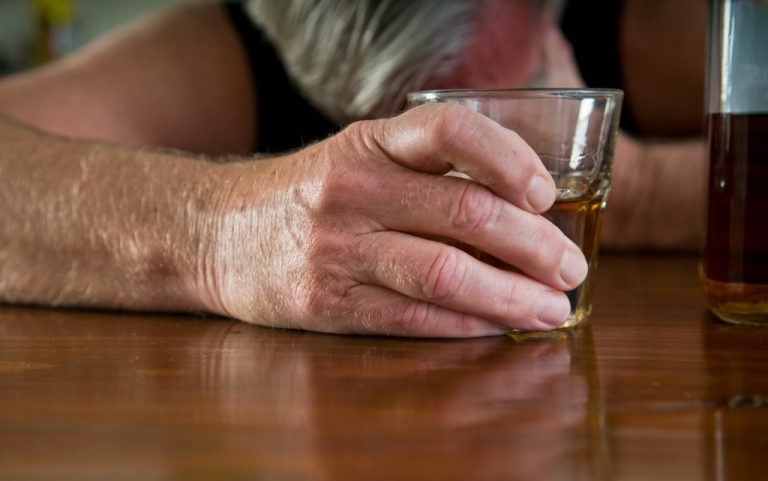
If severe hypoglycemia is present, the blood glucose should be treated first, followed by a usual dose of 500 mg of IV thiamine. There is no medical evidence that giving thiamine before the administration of dextrose precipitates Woernicke’s encephalopathy. If severe hypokalemia is present, dextrose-containing fluids can be held until potassium levels are normalized. Other electrolyte abnormalities concomitantly present with alcohol abuse and poor oral intake include hypomagnesemia and hypophosphatemia. Magnesium and phosphate levels should be measured and replenished if the serum levels are found to be low.
- The chart below provides general guidance on what blood ketone levels mean for your DKA risk and what actions you need to take.
- If you were to ignore your symptoms, though, you could end up with a life-threatening condition like a heart attack, seizure, Wernicke encephalopathy, or a differential diagnosis.
- Call 911 (or your local emergency service number) or go to the nearest emergency room if this happens.
- Always tell your provider about all the medications you take.
How can I keep my ketone levels in a safe range?
Treatment for Alcoholic Ketoacidosis (AKA) primarily focuses on correcting the dehydration, electrolyte imbalances, and acidosis that characterize this condition. The greatest threats to patients with alcoholic ketoacidosis are marked contraction in extracellular fluid volume (resulting in shock), hypokalaemia, hypoglycaemia, and acidosis. Symptoms can appear or worsen when someone abruptly stops drinking alcohol after a prolonged period of heavy use. They may be mistaken for other https://washing.uio.com.tw/drinking-alcohol-with-kidney-disease/ conditions, so timely medical attention is essential for an accurate diagnosis.

Yes, if you have ketones in your urine, you may have other symptoms, depending on the amount. Bananas can be high in sugar, so it’s best to limit or avoid them if you have type 2 diabetes, opting for berries instead to get your fruit fix. DKA is a serious complication of diabetes that can be life-threatening. It is based on buchu (the active ingredients of Round buchu) and Round buchu (the brand name). Other drugs that have the same active ingredients (e.g. generic drugs) are not considered. It is based on hawthorn (the active ingredients of Crataegi flos) and Crataegi flos (the brand name).
Distinguishing Between DKA and Ketoacidosis in Pancreatitis
Examination should reveal a clear level of consciousness, generalised abdominal tenderness (without peritoneal signs), and tachypnoea. There may be concomitant features of dehydration or early acute alcohol withdrawal. Bedside testing reveals a low or absent breath alcohol, normal blood sugar, metabolic acidosis, and the presence of urinary ketones, although these may sometimes be low or absent. An altered level of consciousness should prompt consideration of alternative diagnoses such as hypoglycaemia, seizures, sepsis, thiamine deficiency, or head injury. Arterial blood gas and biochemistry studies reveal a raised anion gap metabolic acidosis without evidence of lactic or diabetic ketoacidosis.
- Arterial blood gas and biochemistry studies reveal a raised anion gap metabolic acidosis without evidence of lactic or diabetic ketoacidosis.
- But it can happen after an episode of binge drinking in people who do not chronically abuse alcohol.
- Alcohol produces structural changes in human liver mitochondria within days.
These include a quickened heart rate, dehydration, rapid breathing, abdominal pain, and agitation. It’s also common for patients to have a breath that smells of ketones, a byproduct of the body breaking down fat for energy. During physical examination, healthcare professionals look for signs that are consistent with AKA, such as signs of dehydration and an alcoholic odor on the breath. The patient’s recent nutritional intake, particularly a history of poor oral intake or fasting, is also considered, as AKA often occurs after a period of relative starvation.