

The journey of gambling A historical perspective on its evolution
Origins of Gambling
The roots of gambling can be traced back to ancient civilizations, where games of chance were woven into the fabric of social and cultural life. Archaeological findings suggest that the Chinese played rudimentary gambling games as early as 2300 BC. Dice, made from materials such as bone or wood, were used in various cultures, including ancient Egypt and Mesopotamia, signifying the universal appeal of games of chance across different societies. Today, many people can enjoy the thrill of an aviator game while reflecting on this long history.
As time progressed, gambling became more organized. Ancient Romans enjoyed betting on chariot races and gladiatorial contests, while the Greeks favored games like knucklebones. These early forms of gambling not only entertained but also fostered community engagement, creating a social bond among participants who wagered on outcomes.
Gambling in the Middle Ages
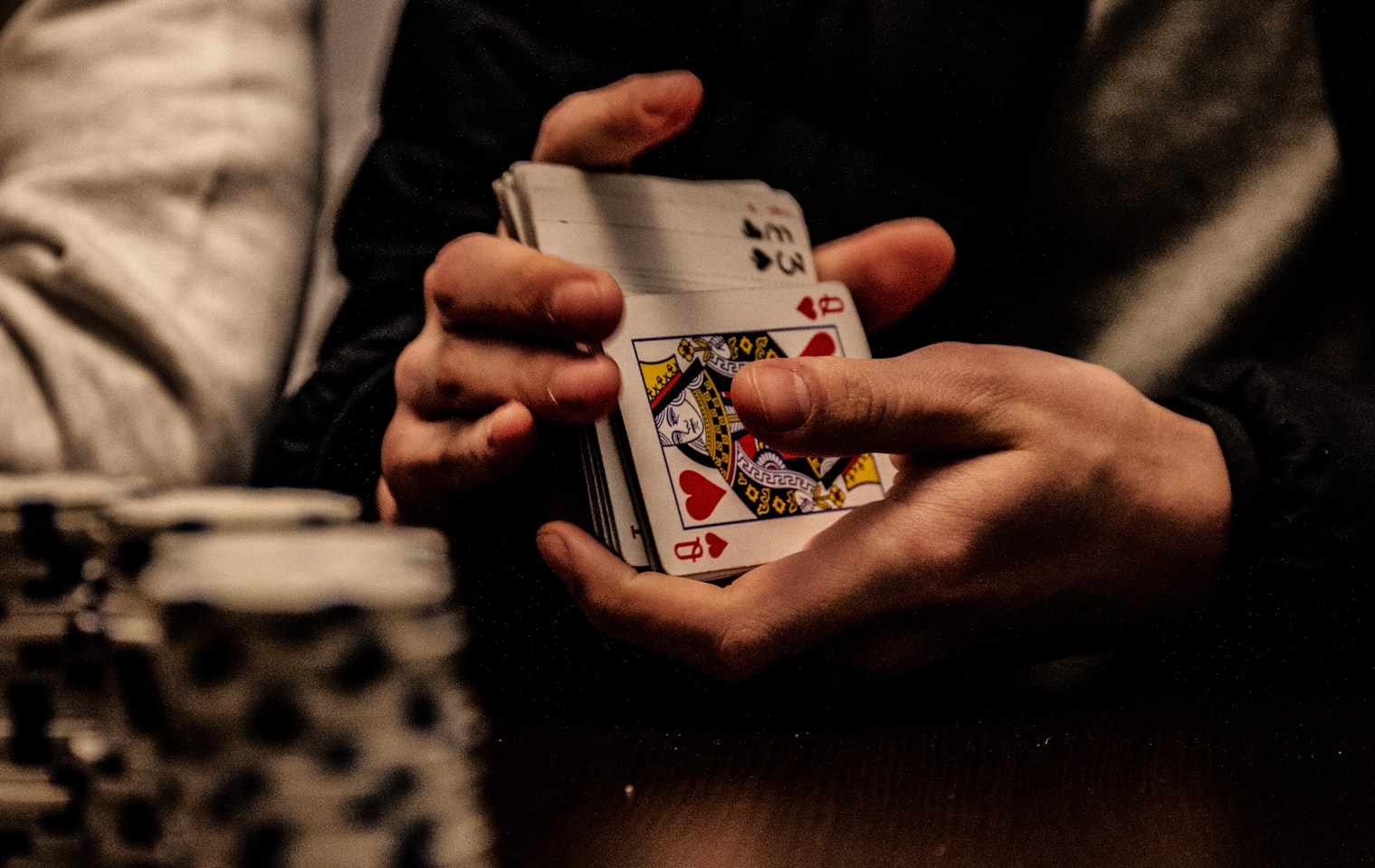
The Middle Ages saw a significant transformation in gambling practices, driven by both cultural shifts and technological advancements. During this period, card games gained popularity, likely introduced from the East through trade routes. The invention of playing cards in China around the 9th century eventually made its way to Europe, where it evolved into various forms, including poker and blackjack.
Moreover, this era marked the emergence of regulated gambling. Governments began to recognize the economic potential of gambling, leading to the establishment of official lotteries. These lotteries served dual purposes: raising funds for public projects while simultaneously allowing citizens to participate in games of chance, laying the groundwork for modern gambling systems.
The Rise of Modern Gambling
The 19th century heralded the modernization of gambling with the advent of casinos. The first official casino, the Casino di Venezia, opened its doors in Italy in 1638, but it was in the 1800s that casinos proliferated across Europe and America. The glitz and glamour of these establishments attracted a new demographic of gamblers, ranging from affluent elite to adventurous risk-takers seeking fortune.
In addition, innovations in gaming technology led to the creation of slot machines in the late 19th century. These machines revolutionized gambling, allowing players to engage in games of chance without the need for complex rules or strategies. The blend of luck and simplicity proved enticing, paving the way for a massive gaming industry that continues to thrive today.
The Digital Revolution
The late 20th and early 21st centuries witnessed a digital revolution that transformed the gambling landscape. The advent of the internet opened doors to online gambling platforms, allowing players to engage in their favorite games from the comfort of their homes. This shift not only increased accessibility but also diversified the types of games available, including live dealer experiences and virtual casinos.
With the rise of mobile technology, gambling has become even more integrated into everyday life. Players can now enjoy a range of games on their smartphones, leading to the emergence of unique formats like the aviator game online. These games blend skill and luck, offering a thrilling experience that appeals to a younger, tech-savvy audience.

Exploring the Aviator Game Experience
The Aviator game represents a modern take on gambling that combines technology with traditional elements of chance. This fast-paced game captivates players with its unique mechanics, where timing and strategy play critical roles. The availability of demo versions allows newcomers to practice their skills without financial risk, ensuring a safe entry point into the world of online betting.
As the gaming landscape continues to evolve, platforms like the Aviator Game website offer a comprehensive experience that includes bonuses, mobile play options, and expert advice. This evolution reflects the ongoing adaptation of gambling practices to meet the demands of contemporary players, making it a dynamic and ever-changing industry.